
Gender and Learning Evidence Fund / Portfolio /
Girl Child Network
Kenya Turkana and Kajiado counties
girlchildnetwork.org (opens in a new tab)-
 Lead partner
-
 Collaborating partner
What we do
Girl Child Network implements Let Children Learn, a gender-responsive learning programme in Kenya’s arid and semi-arid lands, delivering Teaching at the Right Level (TaRL+) accelerated learning and teacher coaching across public primary schools.
The question we are testing with the Fund
How might we integrate gender clubs with TaRL+ accelerated learning to improve foundational literacy, numeracy, and Grade 6-to-7 transition rates in ASALs?
What's new in this work
This implementation research combines academic acceleration with weekly gender and boys' champions clubs, to test whether integrating social agency with foundational instruction drives greater learning gains for marginalised learners.
In our words
Our hope is
Baraka Masyuko, Girl Child Network
Read the full transcript
Our hope is that girls and boys in Kenya's ASALs* finish Grade 6 and walk into Grade 7 with the skills to learn, the confidence to participate, and the support to stay in school. We know that strengthening learning matters, and we know that gendered barriers can hold children back. What we're yet to understand is what happens when we address the both of them together. By 2028, we hope to have evidence showing what works, for whom, and how we can help more children stay and succeed in school.
*ASALs: arid and semi-arid lands
Timing helper
Play the recording and press T (or the button) as each line starts.
The partnership
-
Lead partner
Girl Child Network
Leads the study and delivers Let Children Learn in public primary schools in Turkana and Kajiado, combining Teaching at the Right Level (TaRL+) accelerated learning and teacher coaching with weekly gender and boys' champions clubs.
-
Collaborating partner
Ministry of Education (MoE)
Will facilitate access to schools, learners, and teachers, including the necessary approvals for using school infrastructure. The Ministry will also provide research policy guidance, participate in quality assurance, and review the baseline, midline, and endline tools.
-
Collaborating partner
Kenya National Commission for UNESCO (KNATCOM)
Will support quality assurance and adherence to data collection and analysis standards. KNATCOM will also support the setup of the three-arm cluster design, analysis and synthesis of reports, and the review of baseline, midline, and endline tools.
Who we are
-
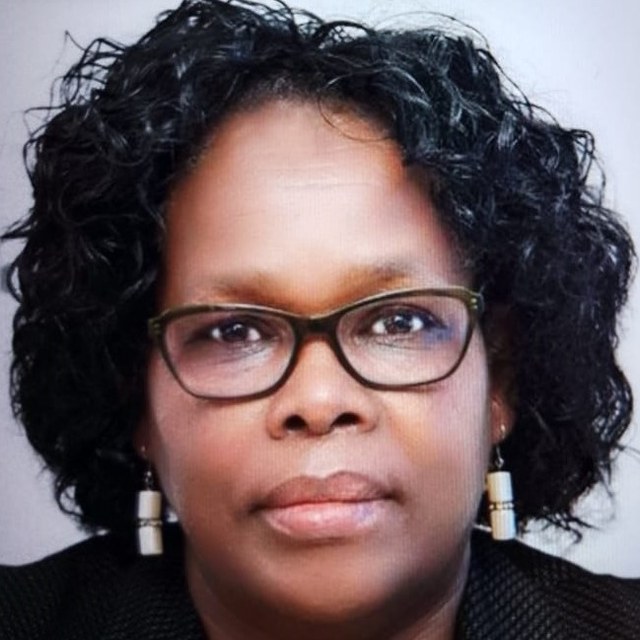
Mercy Musomi
Executive Director, Girl Child Network
-
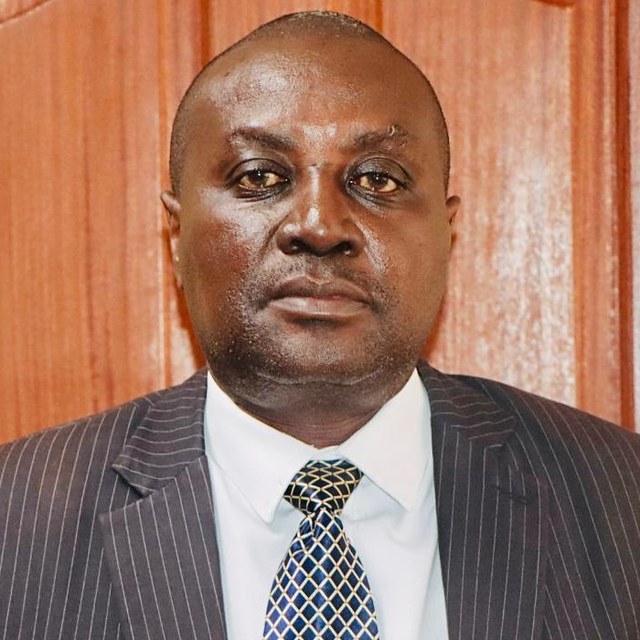
Dr. Robert Ndengwa
Policy Expert
Programme Educationist and Gender Advisor
Director of Policy, Partnerships and East African Community Affairs, Ministry of Education
-
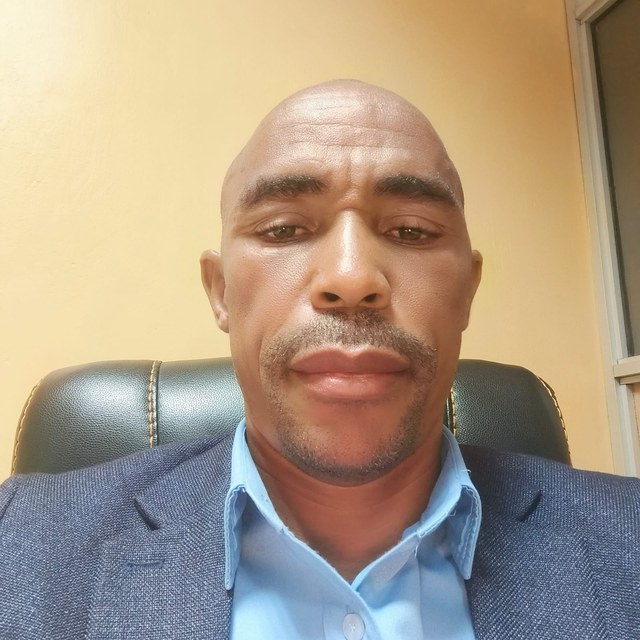
Dennis Mutiso
Programme Gender Technical Lead
Deputy Director, Girl Child Network
-
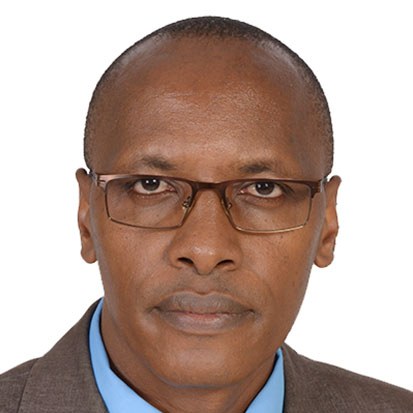
Dr Patrick Kasyula
Technical Expert in Quality Standards and Assurance
Deputy Director, Research and Consultancy, Kenya National Commission for UNESCO
-
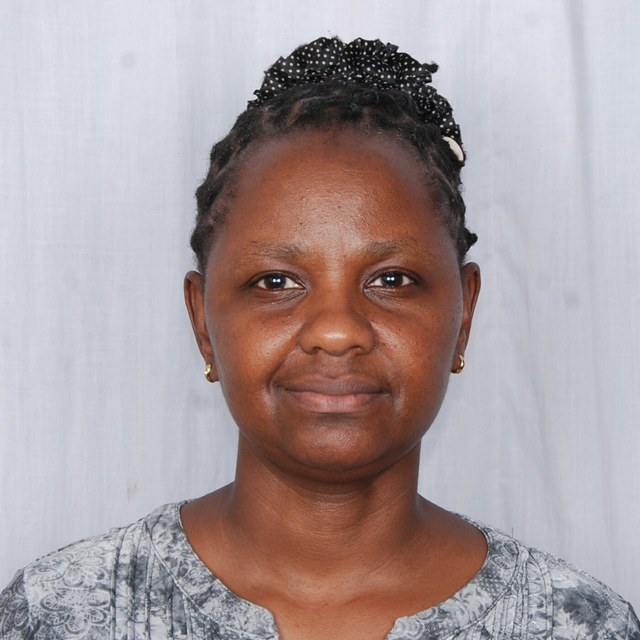
Dr. Felistus Mwikali
Programme Principal Investigator (PI)
Programmes Manager, Girl Child Network
-
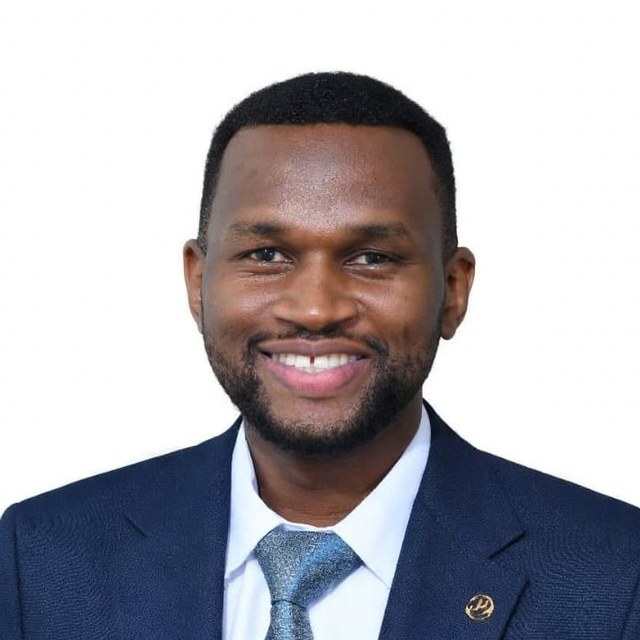
Baraka Masyuko
Programme Research Analyst
Monitoring and Evaluation Manager, Girl Child Network
-
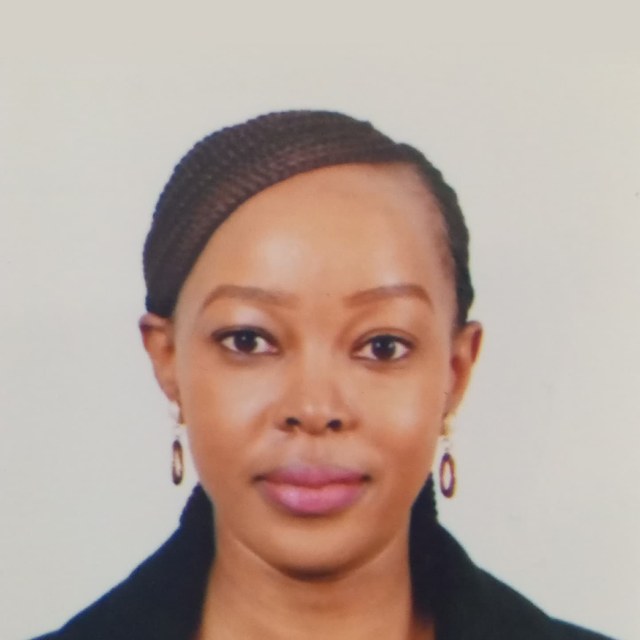
Lilian Mugwe
Programme Grant Manager
Senior Finance Officer, Girl Child Network
The rest of the cohort
See the whole portfolio-
Teaching at the Right Level Africa
How might we design TaRL classrooms where gender no longer predicts participation, engagement or learning outcomes?
-
Kizazi
How might we adapt government coaching, supervision and school leadership systems to ensure boys and girls learn, participate and progress equitably?
-
Centre for Girls' Education
How might we identify what most drives secondary school transition to guide government investment in effective support?
-

Center for Evidence Synthesis, Support & Development in Africa
How might we integrate peer-assisted learning into existing gender clubs in Oromia to improve foundational learning and retention for girls and boys?
-
Girl Move Academy
How might near-peer mentoring circles contribute to shifts in girls' agency, vocational clarity and gender beliefs, and how might these shifts interact with learning outcomes?