
Gender and Learning Evidence Fund / Portfolio /
Center for Evidence Synthesis, Support & Development in Africa - Oromia Education Bureau (CESDA-OEB)
Ethiopia Oromia Region
cesdaf.org (opens in a new tab)-
 Lead partner
-
 Collaborating partner
What we do
CESDA and OEB support primary-school students through school-based gender clubs across Oromia.
The question we are testing with the Fund
How might we integrate peer-assisted learning into existing gender clubs in Oromia to improve foundational learning and retention for girls and boys?
What's new in this work
This research integrates structured peer-assisted learning into the existing gender clubs sessions to test whether combining gender empowerment and academic support improves foundational learning (literacy, numeracy, and agency), school retention, and participation of girls and boys.
In our words
Our hope is
Gelila Abraham, CESDA-OEB
Read the full transcript
Our hope is that a primary school student in Oromia, whether a boy or a girl, under pressure to leave school and work, finishes their schooling believing they can learn. Gender clubs already give them a safe space to speak. What we don't yet know is whether adding peer learning changes what they can do. By 2028, across twenty primary schools, we hope to know whether it works. Ijoollee keenyaaf, barnoonni abdii haa ta'u! (For our children, let education be their hope!)
Timing helper
Play the recording and press T (or the button) as each line starts.
The partnership
-

Lead partner
Center for Evidence Synthesis, Support & Development in Africa (CESDA)
CESDA serves as the lead organisation on this study, responsible for overall coordination, study design, implementation, and reporting.
-
Collaborating partner
Oromia Education Bureau, Gender Directorate (OEB)
The OEB is the collaborating organisation, providing regional oversight, access to schools and stakeholders, and contextual support to ensure the study aligns with local priorities. OEB will also play a key role in evidence use, applying the study's findings to inform policy, planning, and decision-making within the regional education system.
Who we are
-
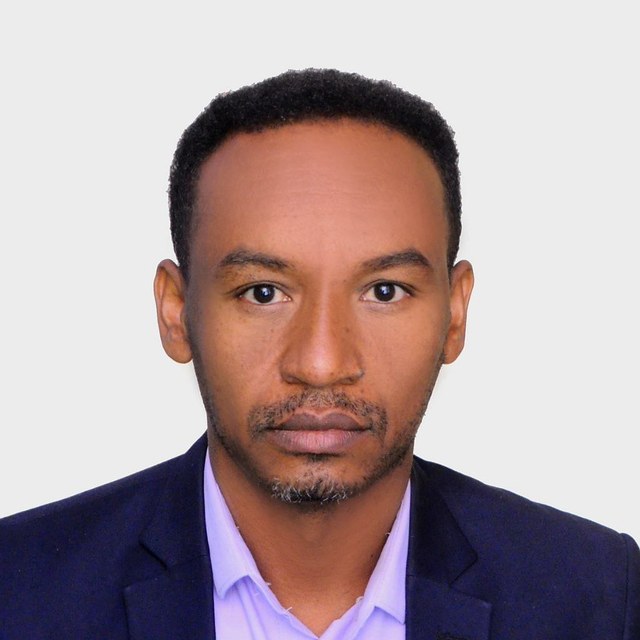
Professor Zewdie Birhanu
Programme Senior Technical Advisor (Health, Gender, and Behaviour Change)
Professor of Health Behaviour at Jimma University
Senior Implementation Researcher at CESDA
-
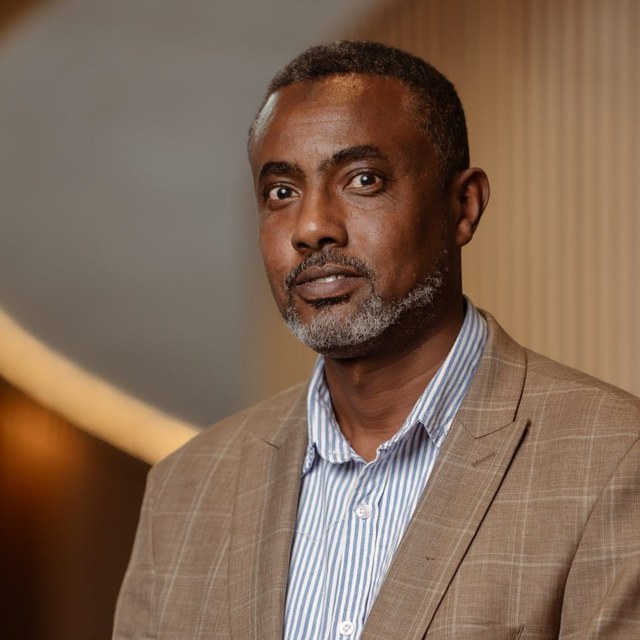
Sabit Ababor
Programme Research Manager
General Managing Director & Researcher at CESDA
-
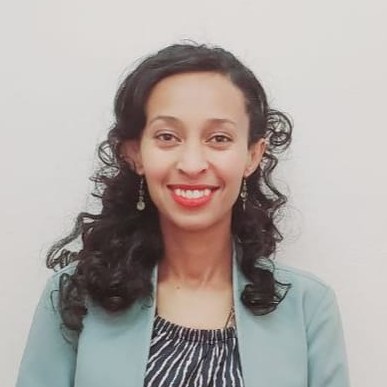
Firmaye Bogale
Programme Co-investigator
Vice General Managing Director & Researcher at CESDA
-
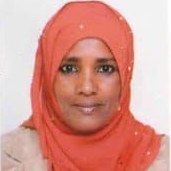
Neima Biya
Government Liaison and Policy Advisor
Director, Children & Gender Directorate at Oromia Education Bureau
-
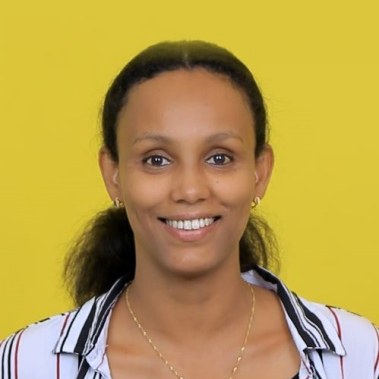
Gelila Abraham
Programme PI
Assistant Professor of M&E at Jimma University
Researcher at CESDA
-
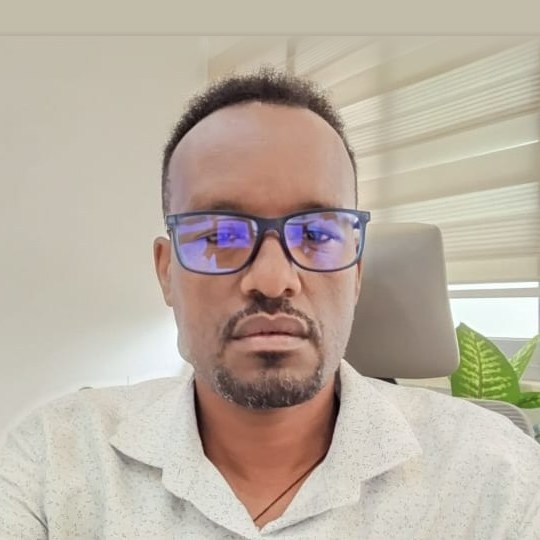
Zelalem Kebede
Programme Co-PI
Researcher at CESDA
The rest of the cohort
See the whole portfolio-
Teaching at the Right Level Africa
How might we design TaRL classrooms where gender no longer predicts participation, engagement or learning outcomes?
-
Kizazi
How might we adapt government coaching, supervision and school leadership systems to ensure boys and girls learn, participate and progress equitably?
-
Centre for Girls' Education
How might we identify what most drives secondary school transition to guide government investment in effective support?
-
Girl Child Network
How might we integrate gender clubs with TaRL+ accelerated learning to improve foundational literacy, numeracy, and Grade 6-to-7 transition rates in ASALs?
-
Girl Move Academy
How might near-peer mentoring circles contribute to shifts in girls' agency, vocational clarity and gender beliefs, and how might these shifts interact with learning outcomes?